Studies
Experiments, prototypes and process records.
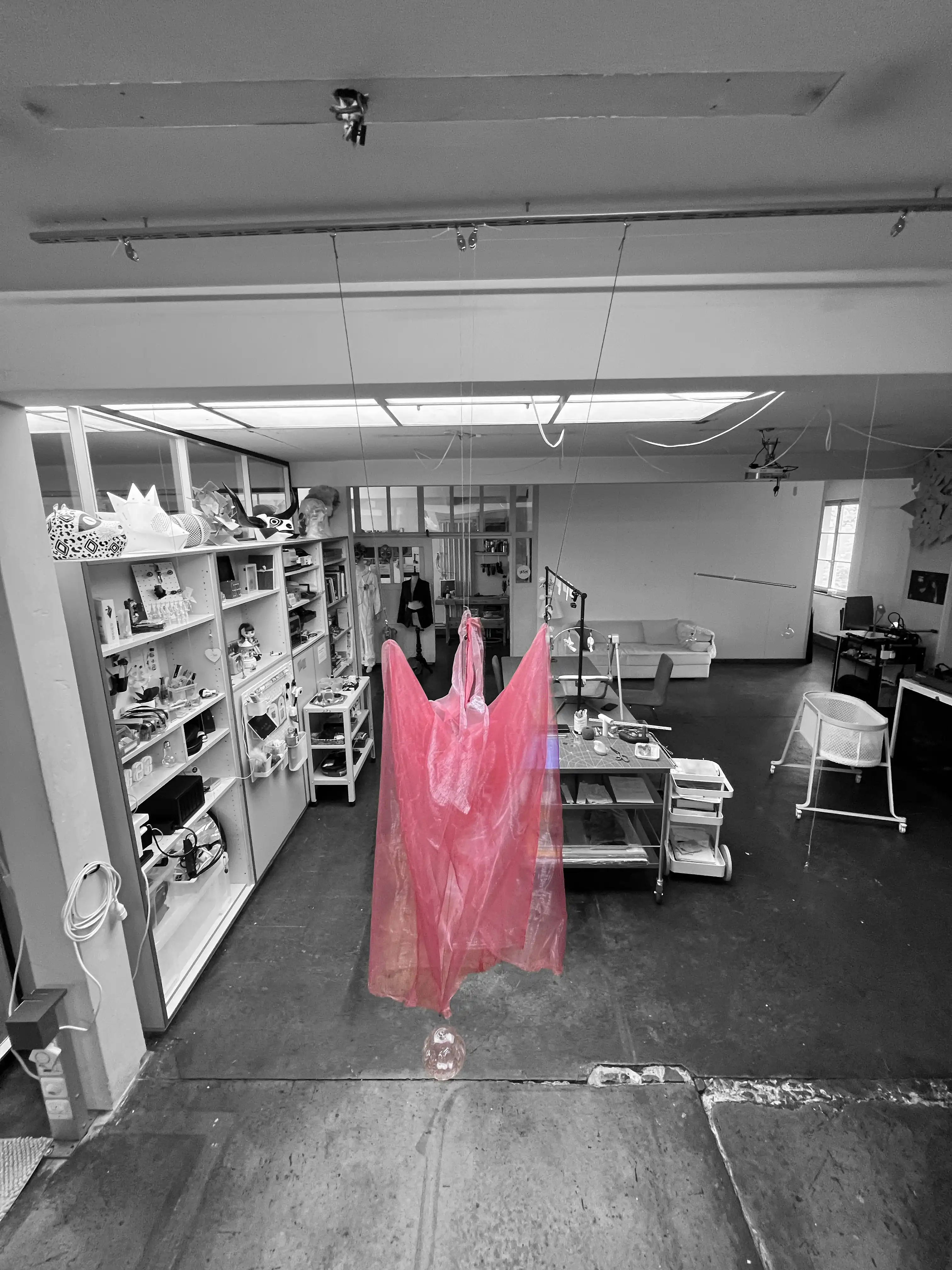 experimentCounterweighted Textile MechanismAn experimental organza structure uses two independently routed pulley-and-counterweight lines, a fixed waist, and an adjustable link between its moving upper and lower sections to explore textile contraction and expansion.Soft Mechanisms · Kinetic Studies
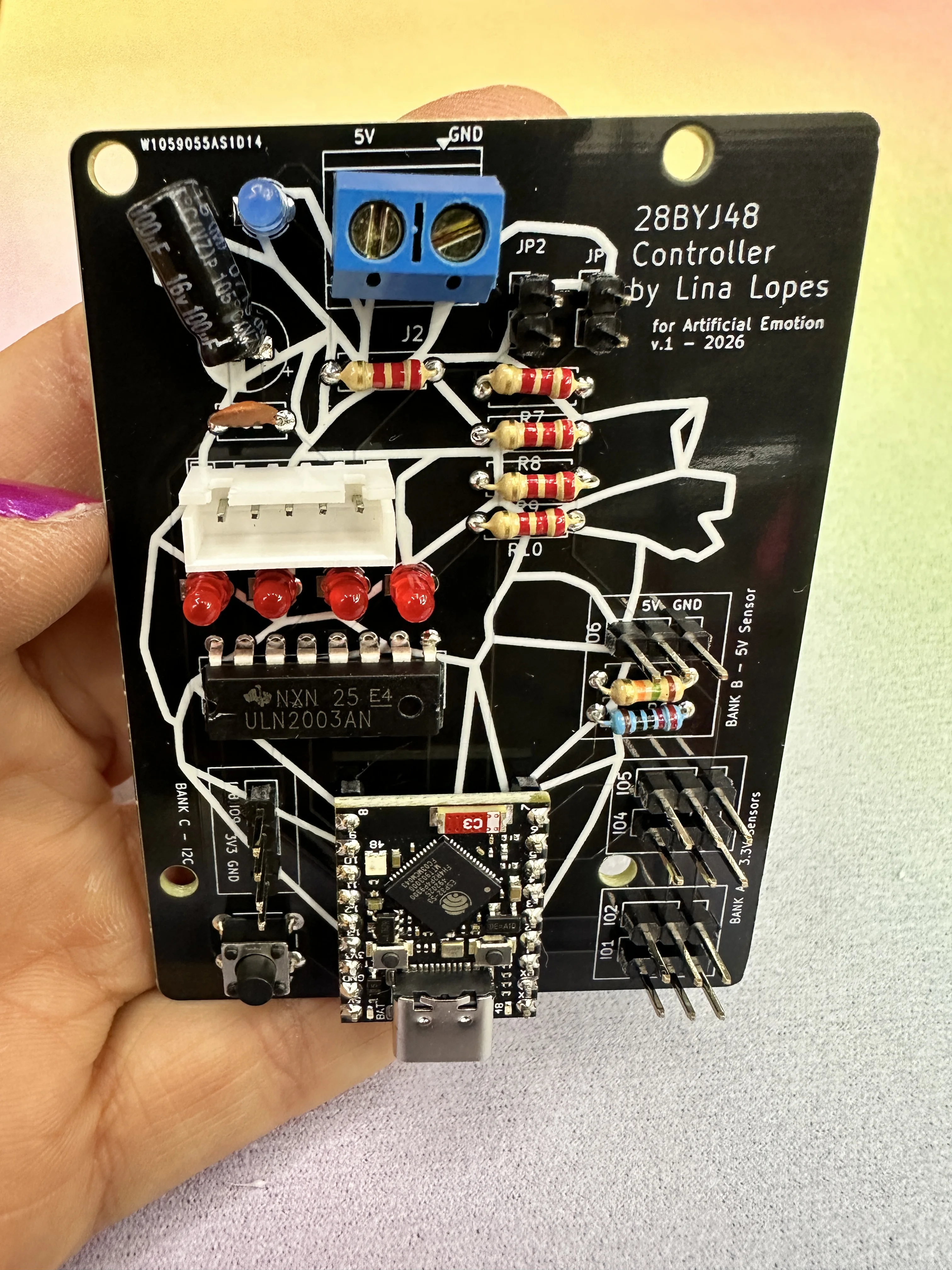 experimentArtificial Emotion Controller — First Assembly and TestsThe first assembled Artificial Emotion Controller moved beyond circuit validation to reveal something more interesting - a single user button can become a compact physical interface for exploring different kinetic behaviours. Initial tests also exposed reversed 5V and GND silkscreen labels at the external power input, a small but consequential usability error now corrected in the design.Kinetic Studies
 experimentMiura-ori in OrganzaA first test of heat-setting polyester organza between hand-folded Miura-ori paper molds, exploring how a textile surface can retain folds while remaining able to expand and contract.Soft Mechanisms
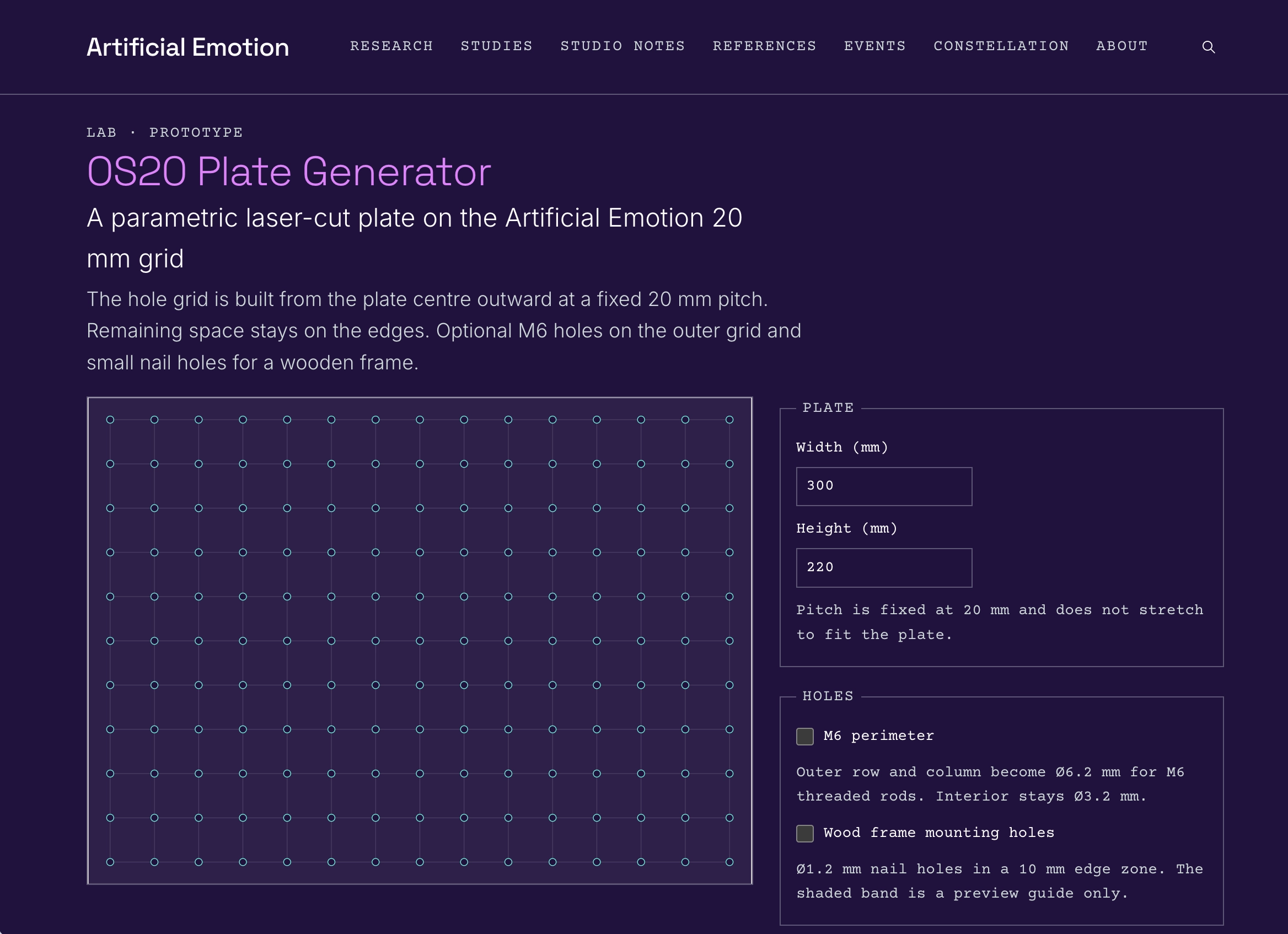 experimentOS20 Plate GeneratorA small fabrication tool for generating laser-cut plates from the Artificial Emotion 20 mm modular grid, with optional edge conditions for wooden frames and M6 structural connections.Kinetic Studies
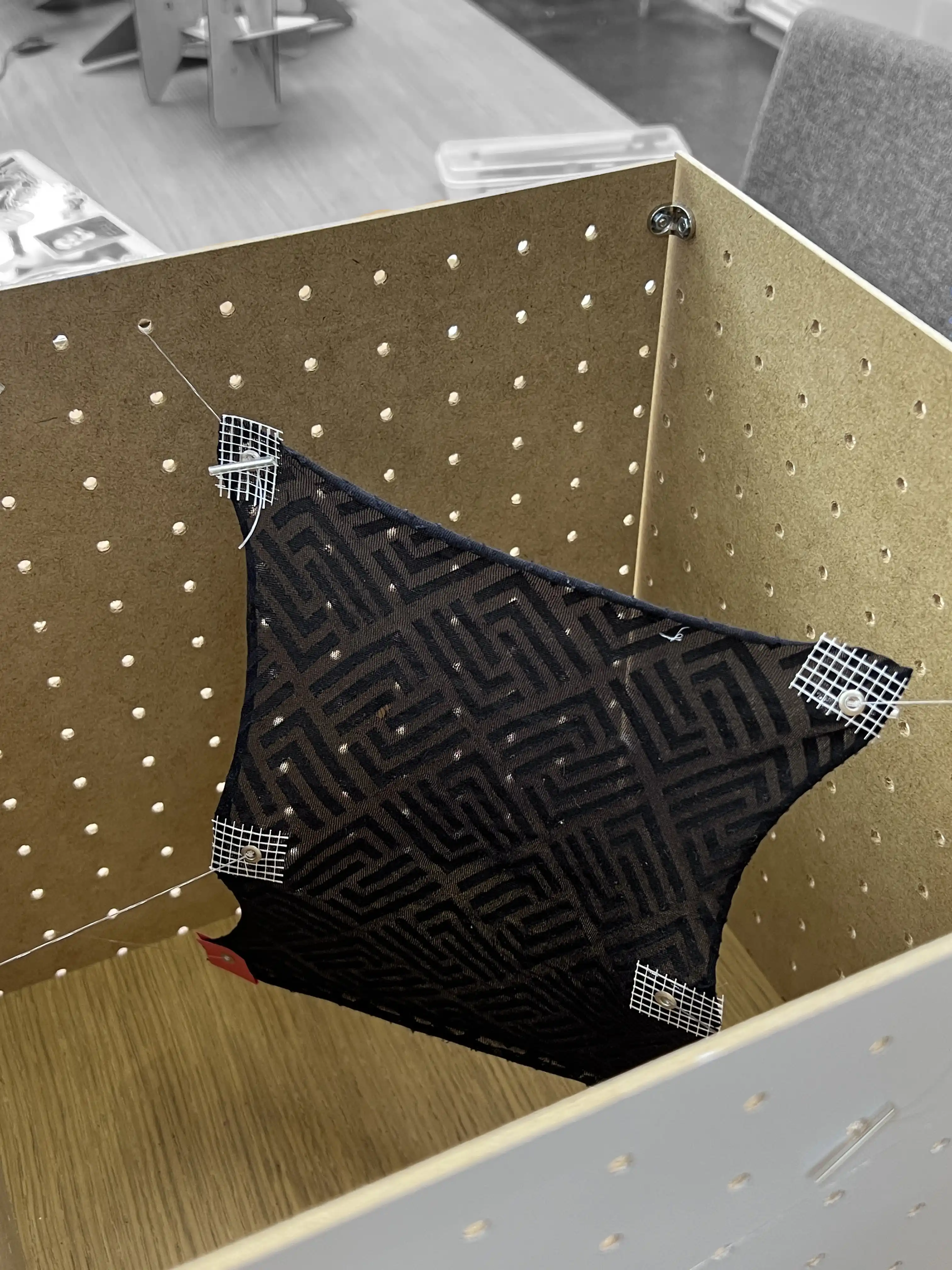 experimentA Membrane Under TensionAn exploratory test of how a thin, elastic textile surface deforms under hand-applied tension, using found workshop materials and reversible connections to make iteration easier.Soft Mechanisms
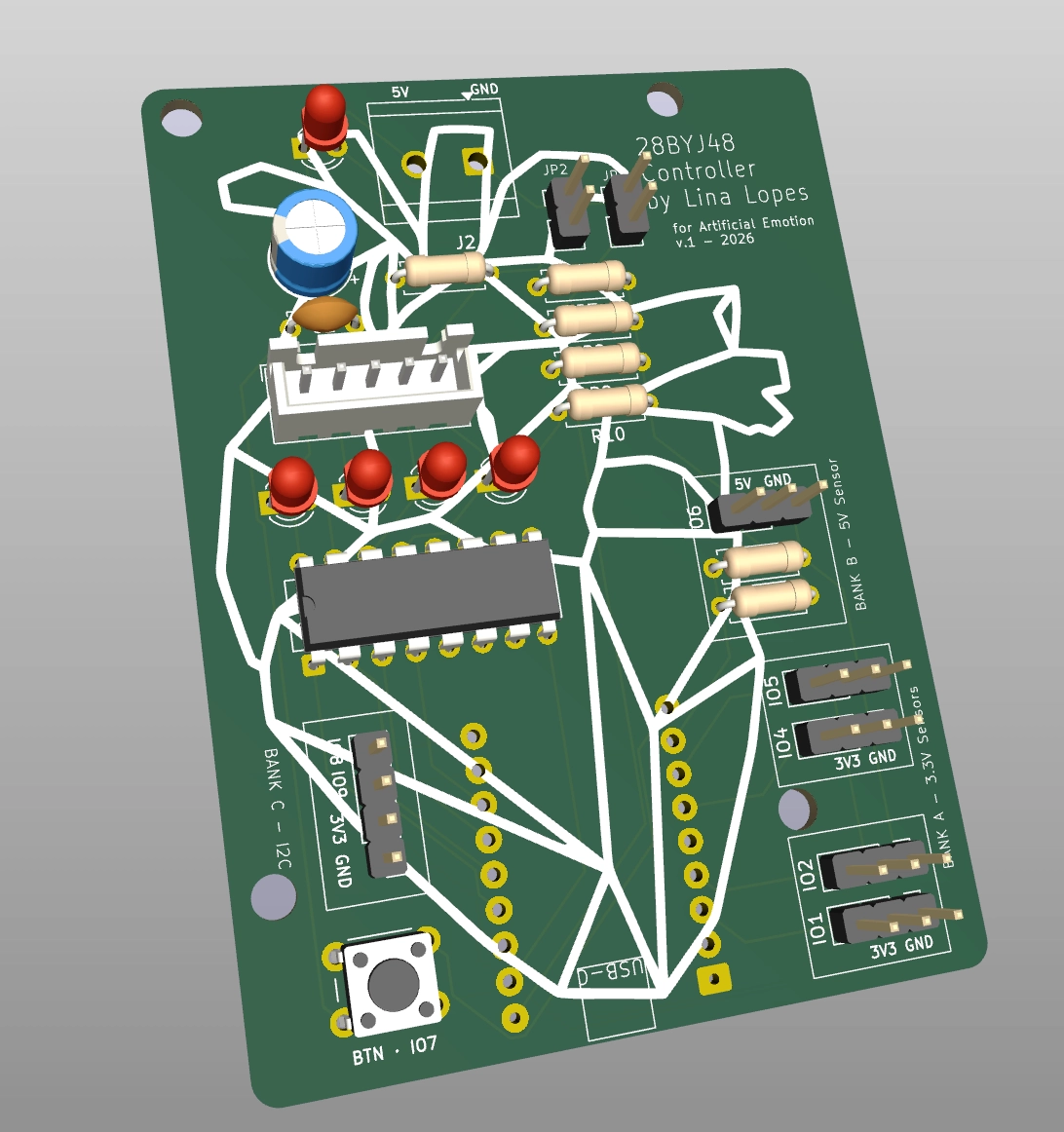 experimentArtificial Emotion Controller — Designing a Dedicated PCBDesigning the first dedicated Artificial Emotion controller in KiCad, a manually assembled, through-hole PCB built around an ESP32-S3 SuperMini, a ULN2003A driver, one 28BYJ-48 stepper motor and configurable sensor connections. The aim is to make the electronics easier to reuse so each new kinetic experiment can begin with movement rather than wiring.Kinetic Studies
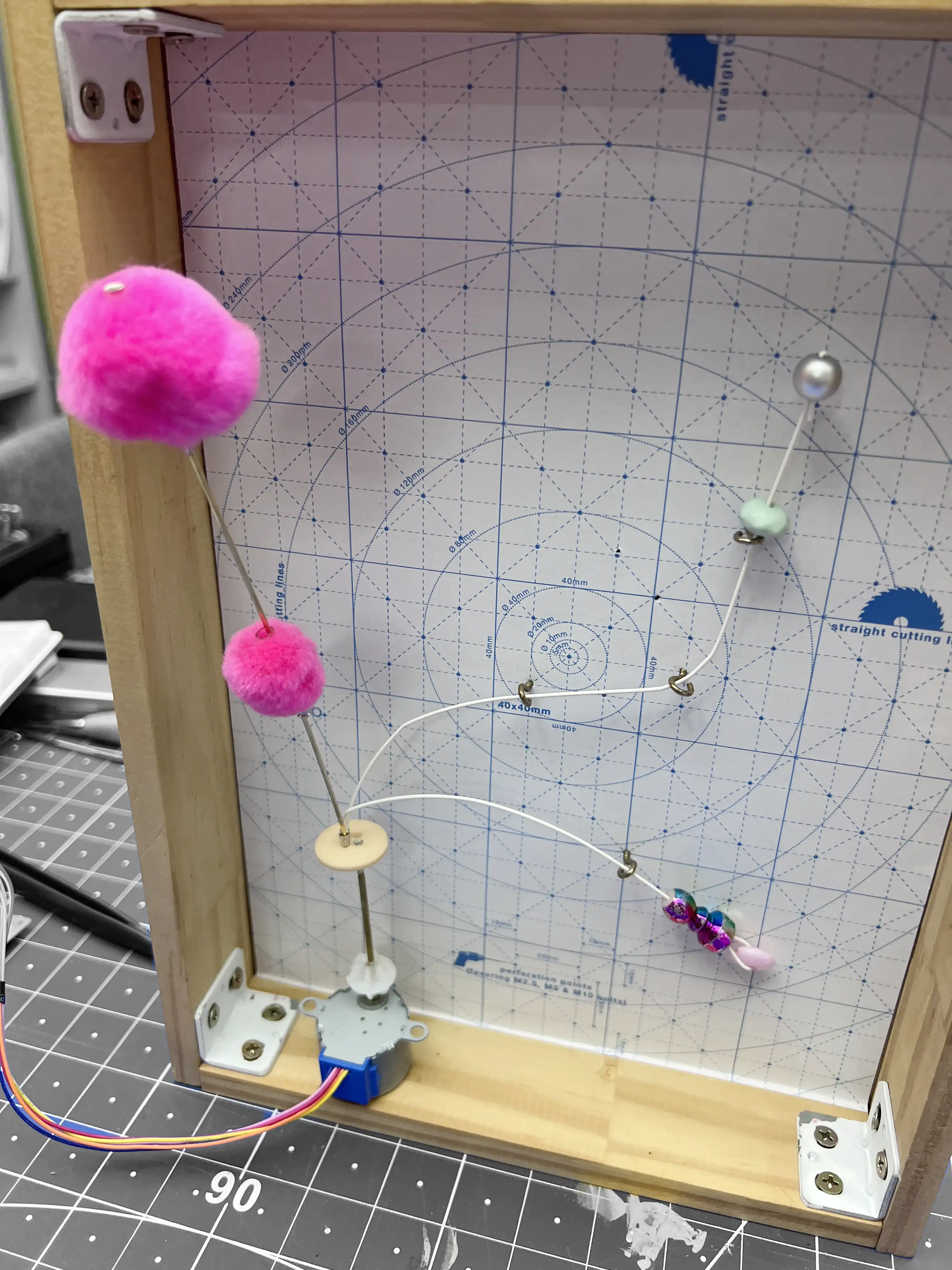 experimentKinetic Planes — After Abraham PalatnikInspired by Abraham Palatnik's C-15, this study uses a reused wooden frame, an OS20 construction grid, nylon rods and a 28BYJ-48 stepper motor to investigate how a simple reversing rotation can produce flexible, layered motion—and how improvised connections can become reusable parametric parts.Kinetic Studies
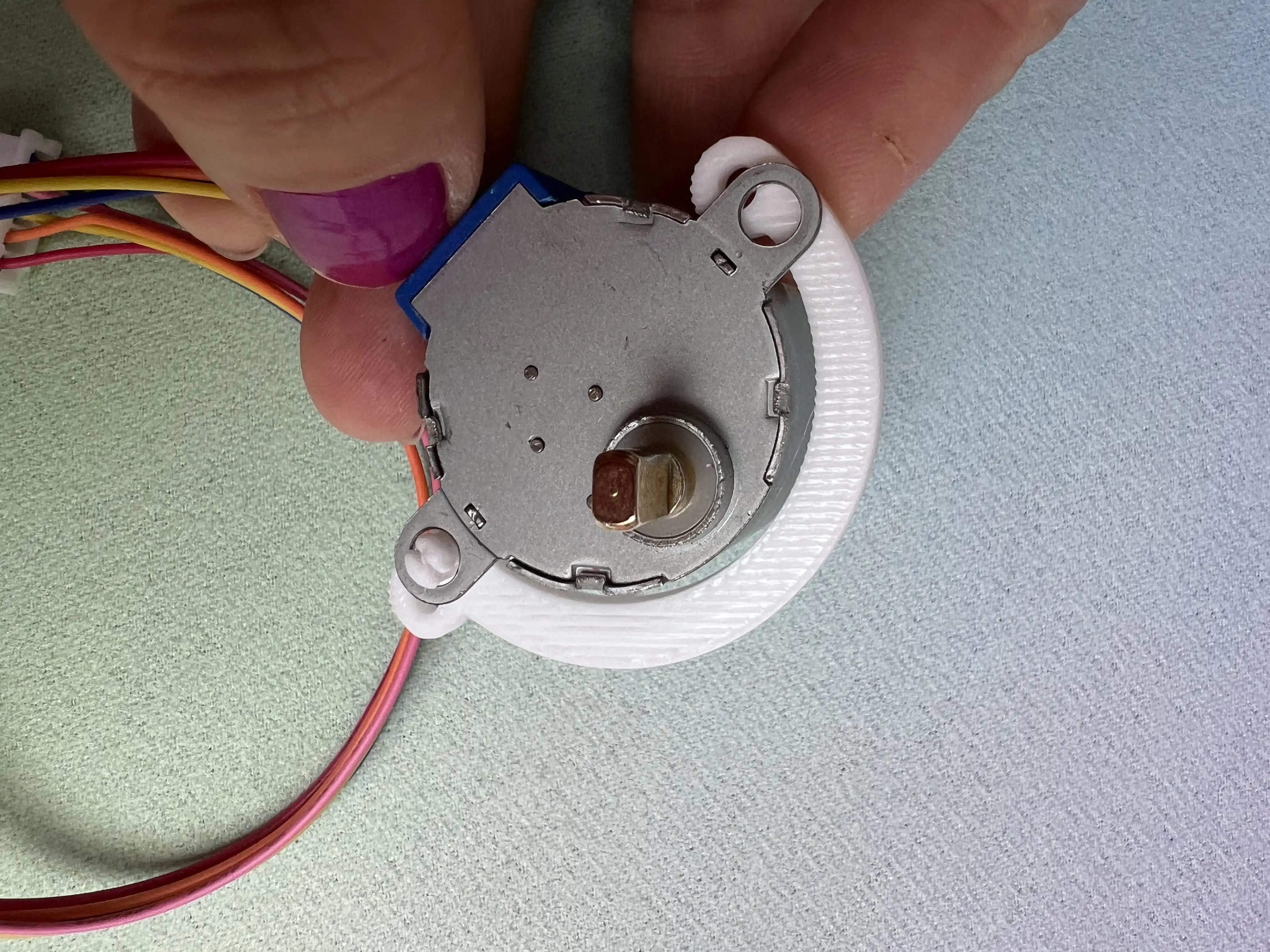 prototype28BYJ-48 — An OS20 Motor AdapterA small U-shaped bracket adapts the mounting holes of a 28BYJ-48 stepper motor to a 40 mm connection span, testing how commercial components can join the shared 20 mm grid of Artificial Emotion.Kinetic Studies
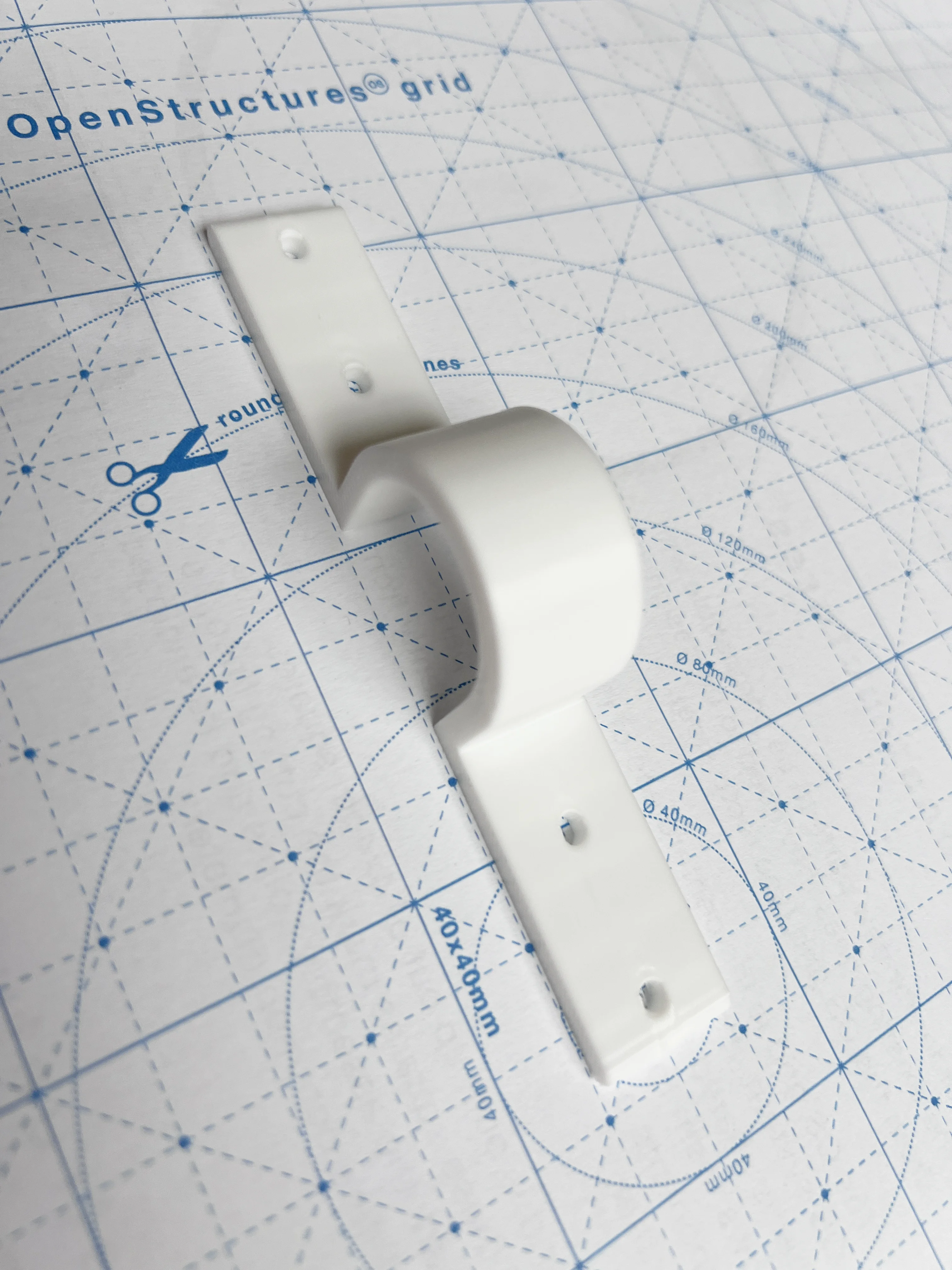 experimentTowards a Modular GridAn ongoing study of a 20 mm modular grid, M3 connections and 3D-printed interfaces for mounting, combining and exhibiting the physical mechanisms of Artificial Emotion.Kinetic Studies
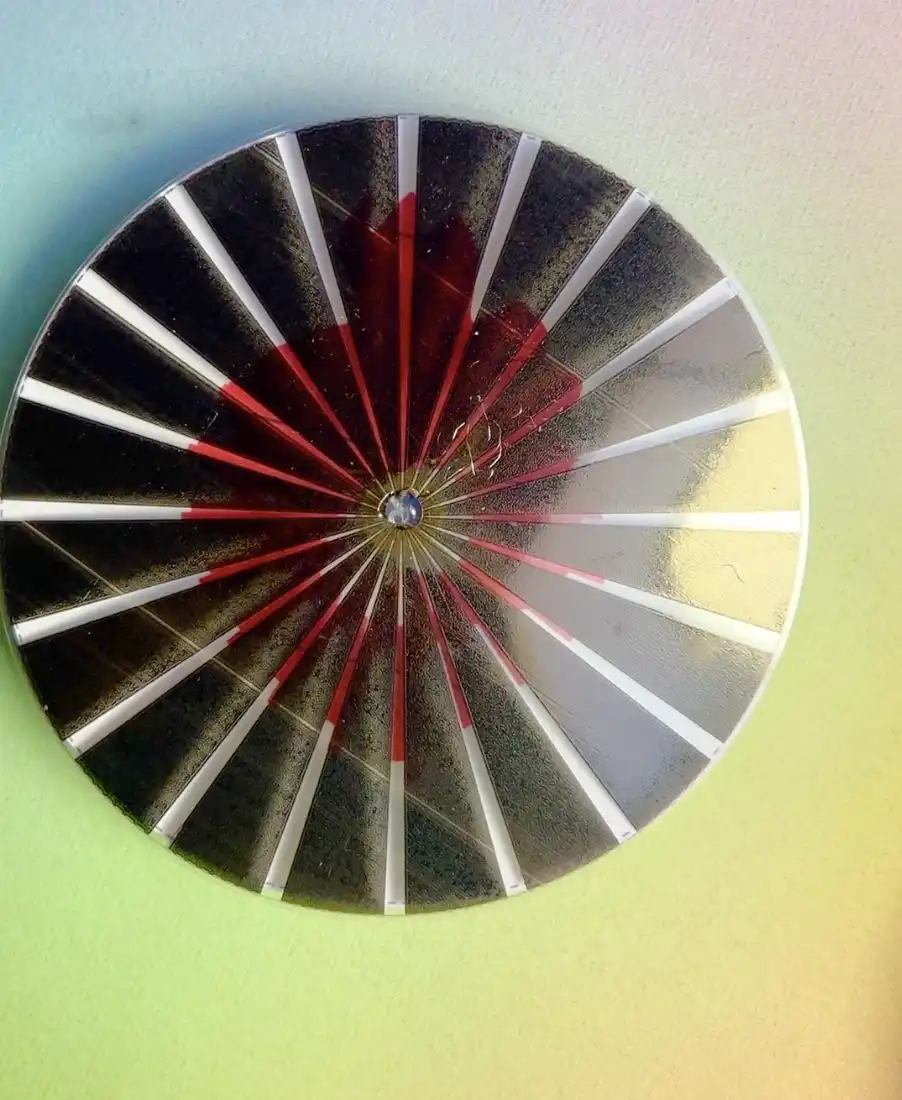 prototypeHeartbeat Slit AnimationA physical animation study using an interlaced anatomical heart and a rotating slit mask driven by the seconds axis of a quartz clock mechanism.Kinetic Studies
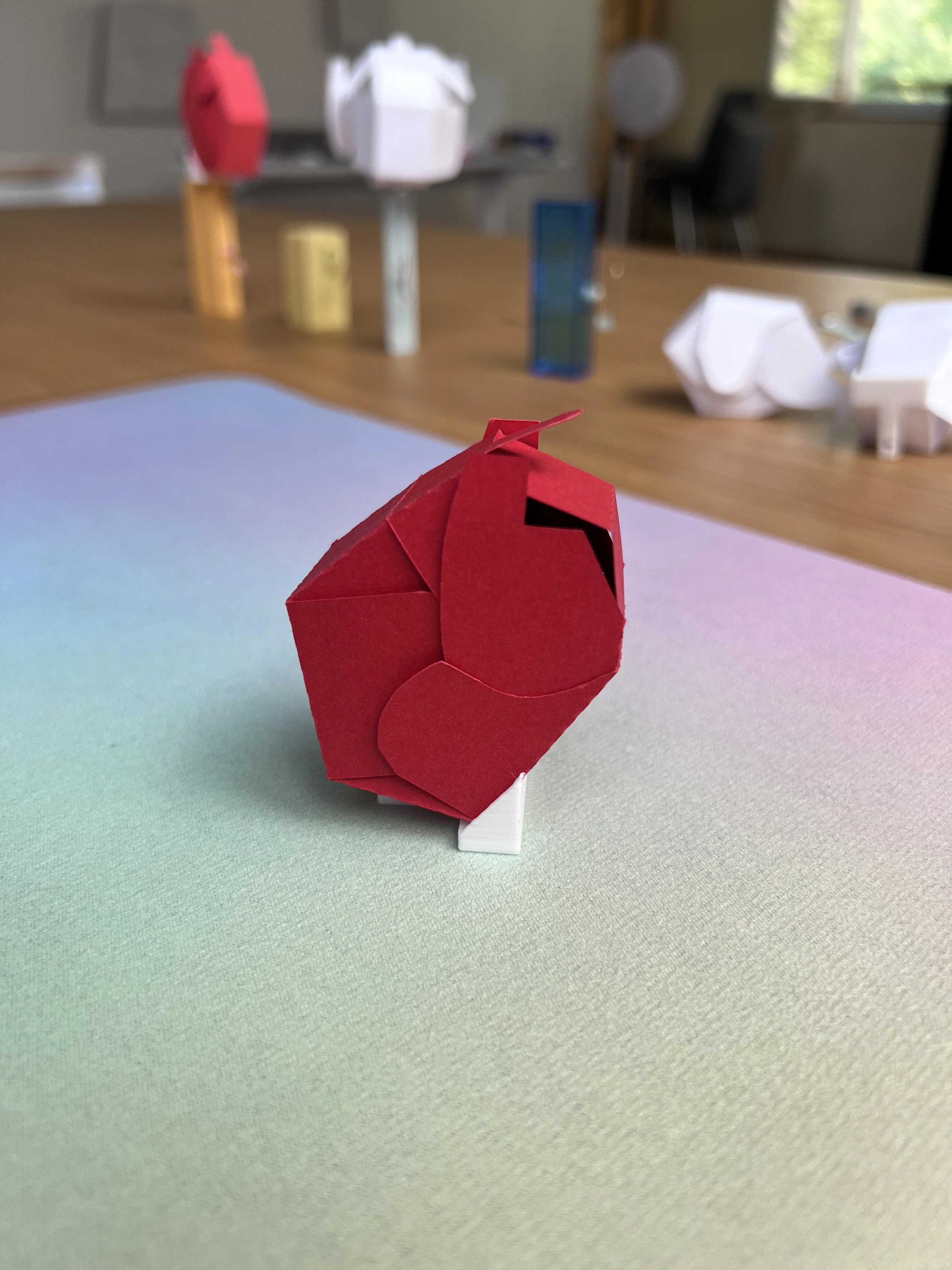 experimentPaper HeartA paper study exploring how folding transforms a flat, flexible material into a three-dimensional form capable of movement.Soft Mechanisms
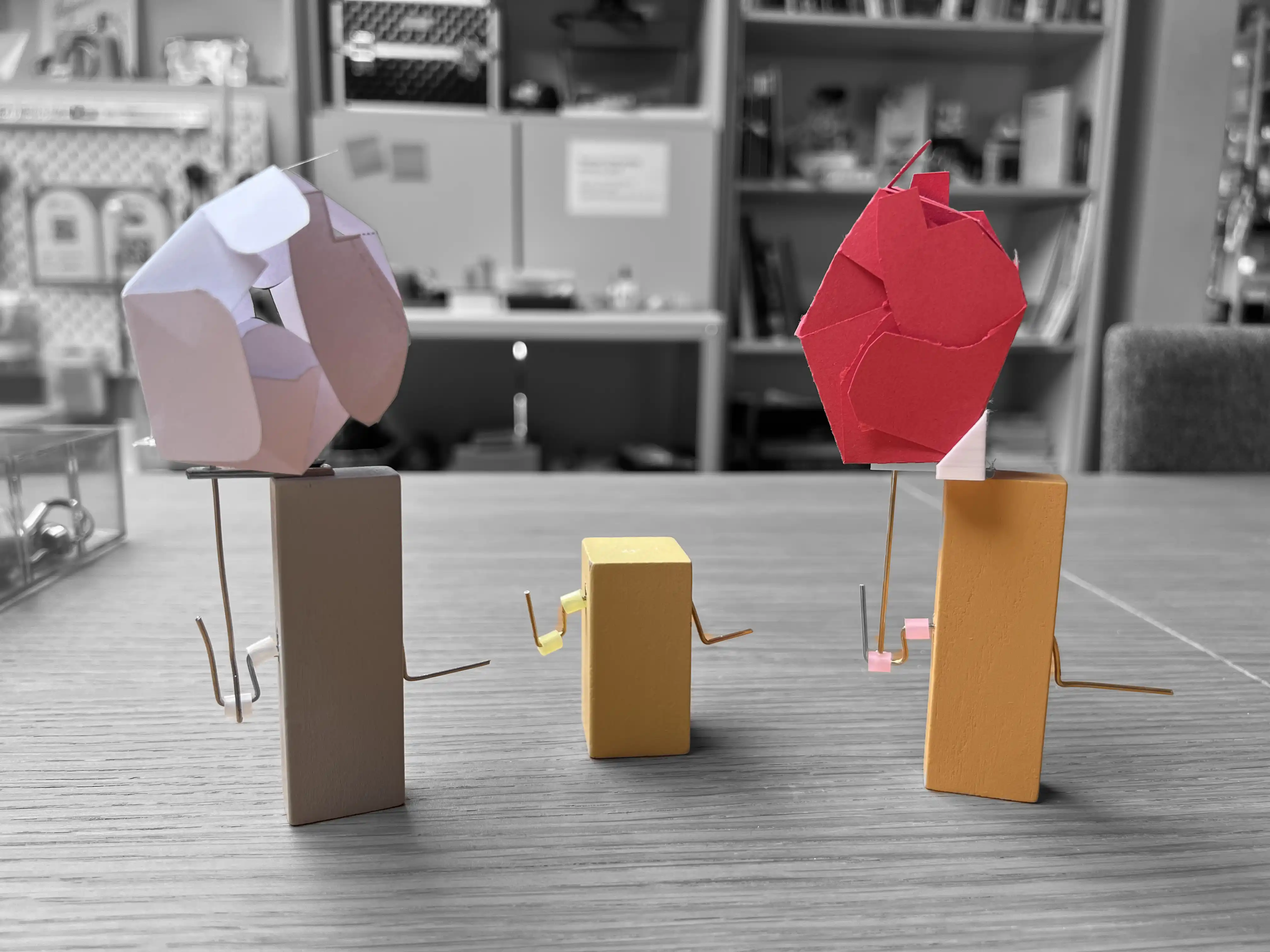 prototypeA Simple CrankA small wood-and-wire crank mechanism revisited from an earlier automata workshop, used here as a simple introduction to rotational and reciprocating movement.Kinetic Studies
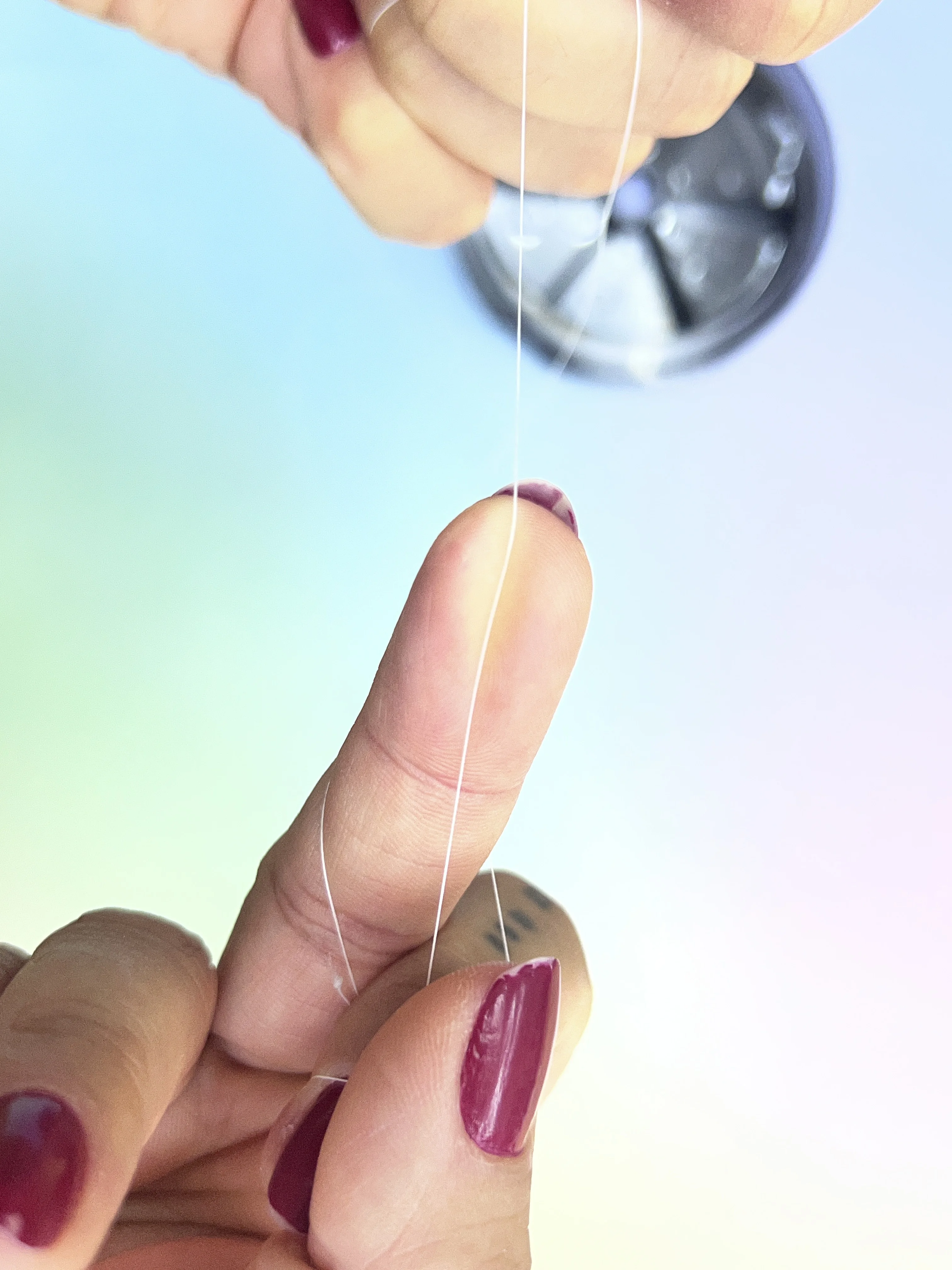 experimentFishing Line as a Mechanical LinkageA study of braided fishing line as a mechanical transmission element in MauMau, comparing line diameter, spool behavior, knotting and rotational attachment.Kinetic Studies
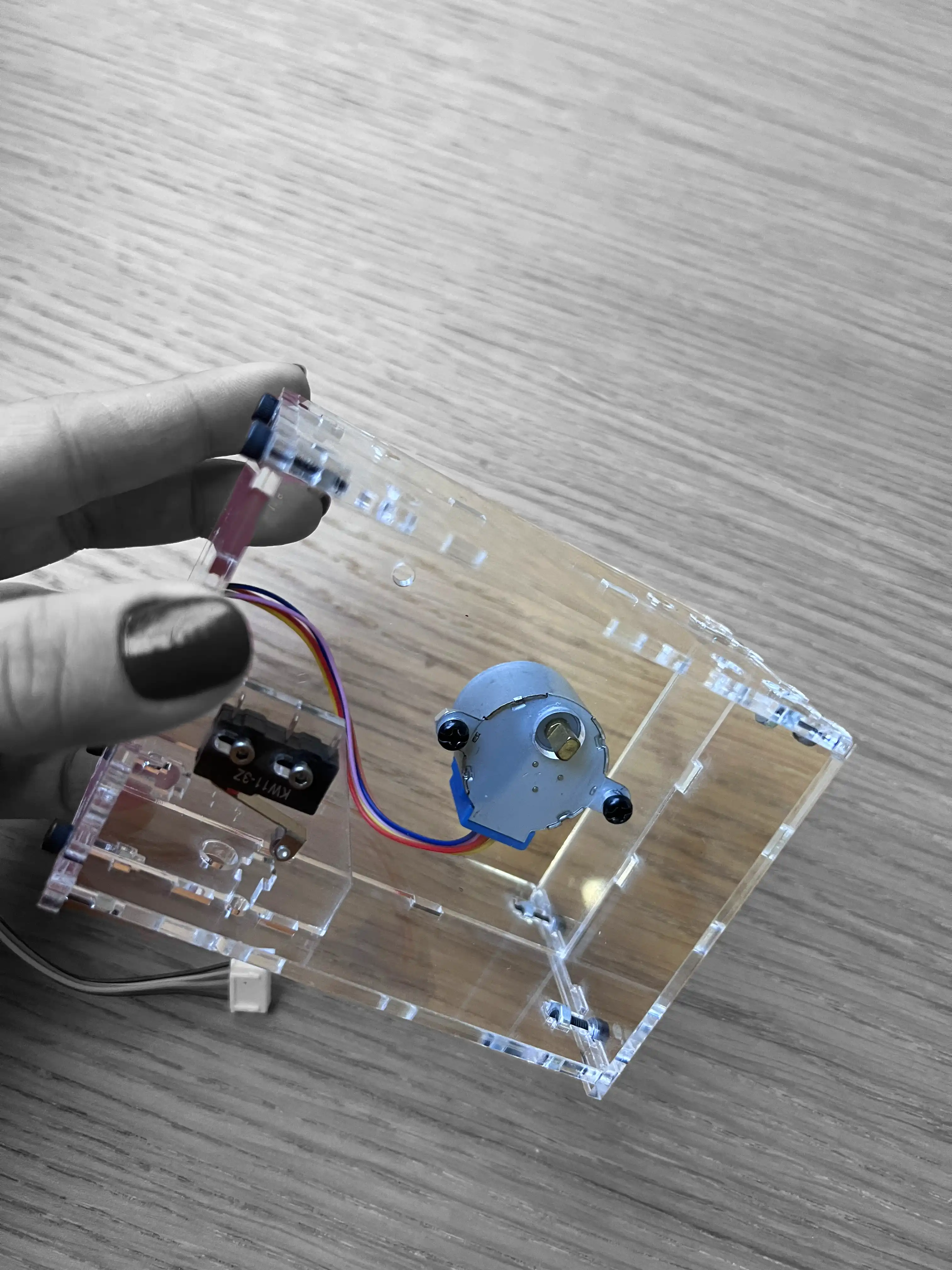 prototypeMauMau — First Parametric EnclosureThe first fabricated MauMau enclosure translated an intuitive cardboard prototype into a parametric, laser-cut acrylic module with removable mechanical joints and dedicated mounting for the kinetic system.Kinetic Studies
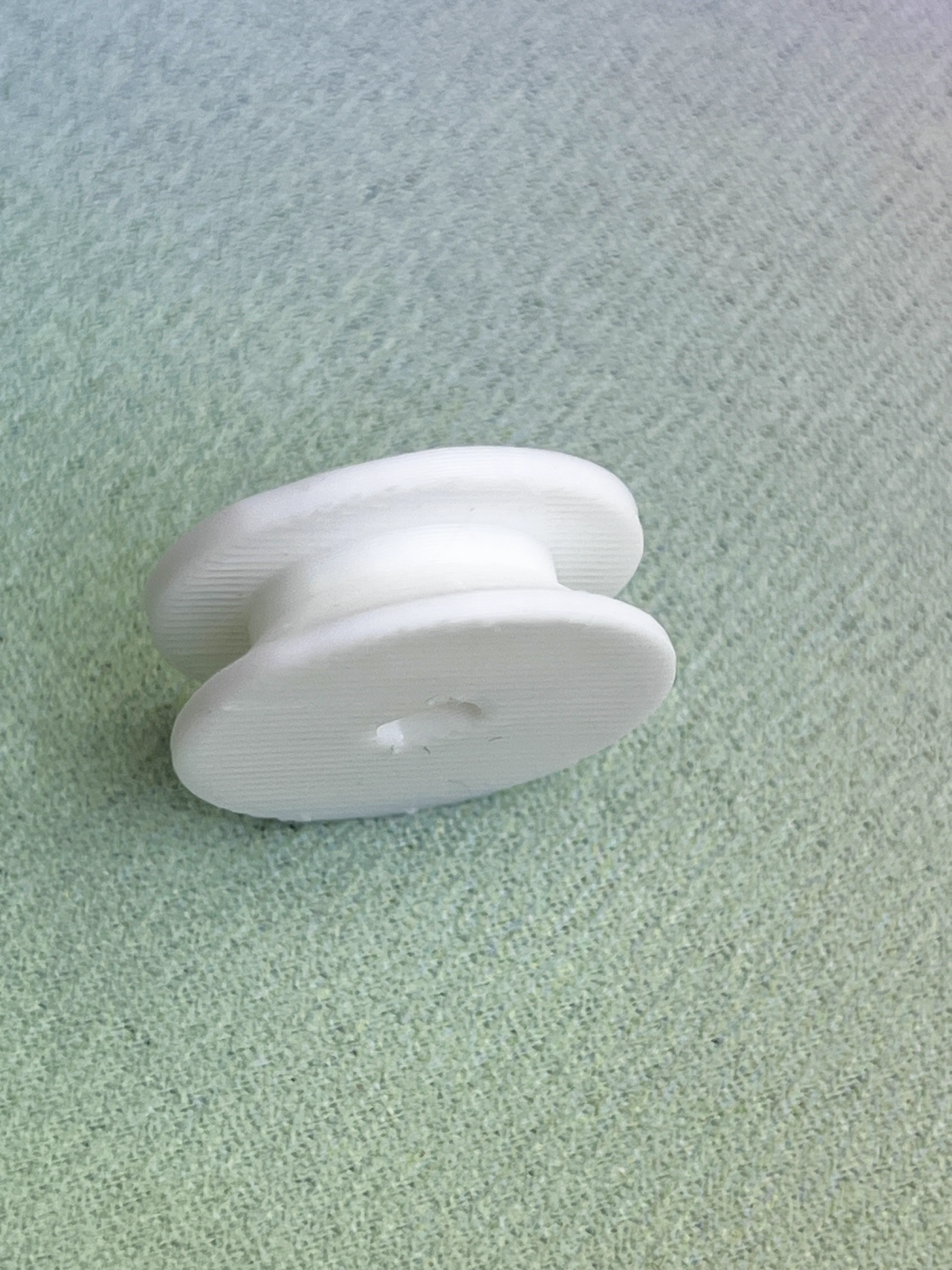 prototypeMauMau Spool — First Parametric PrototypeA first parametric spool for the MauMau kinetic module, designed to couple a 28BYJ-48 stepper motor to braided fishing line and refined for FDM printing and line fixation.Kinetic Studies
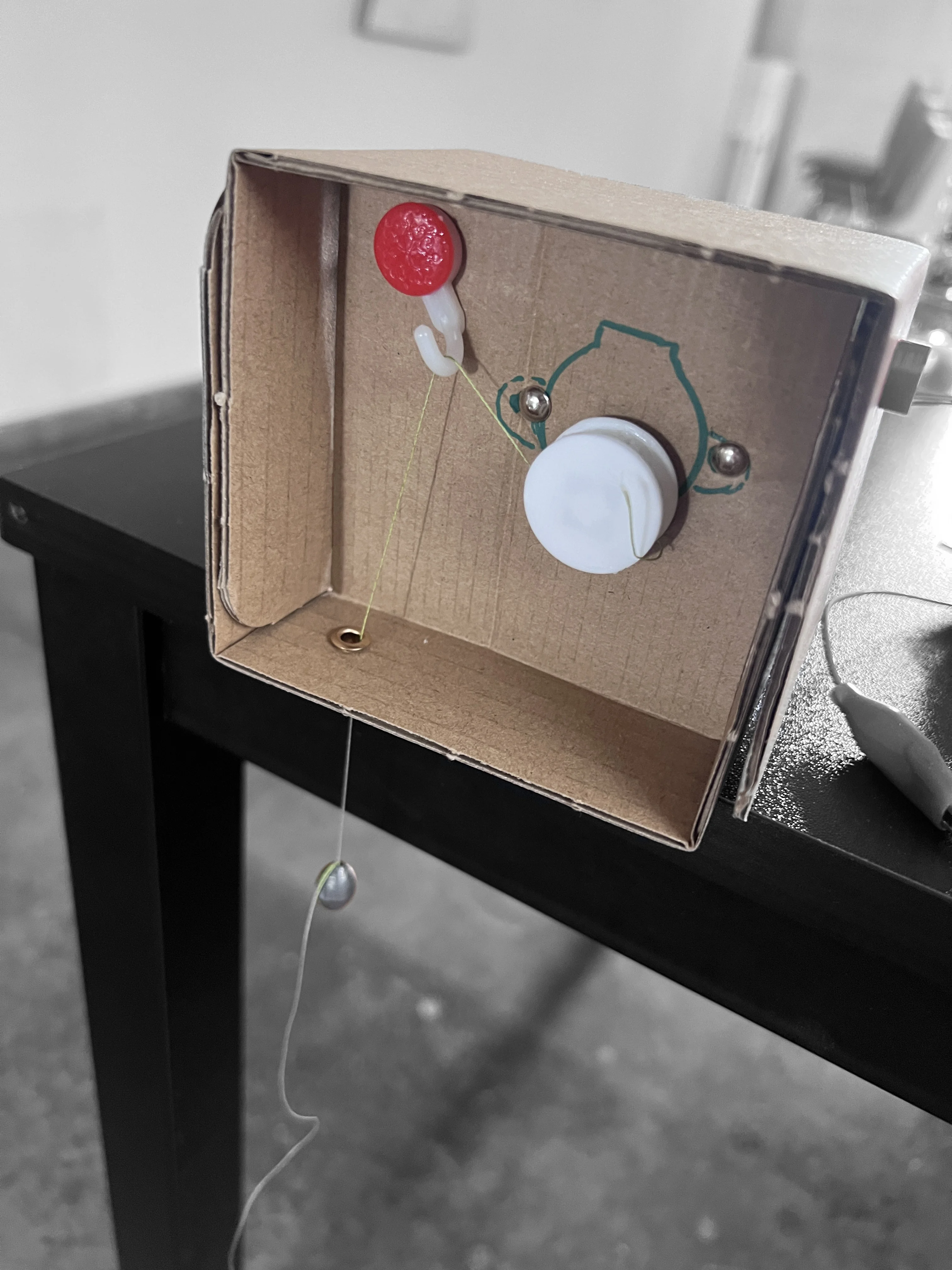 prototypeTwo Hours to a First Kinetic PrototypeA rapid cardboard prototype used to test whether one simple kinetic idea could become a working physical module in only a few hours.Kinetic Studies