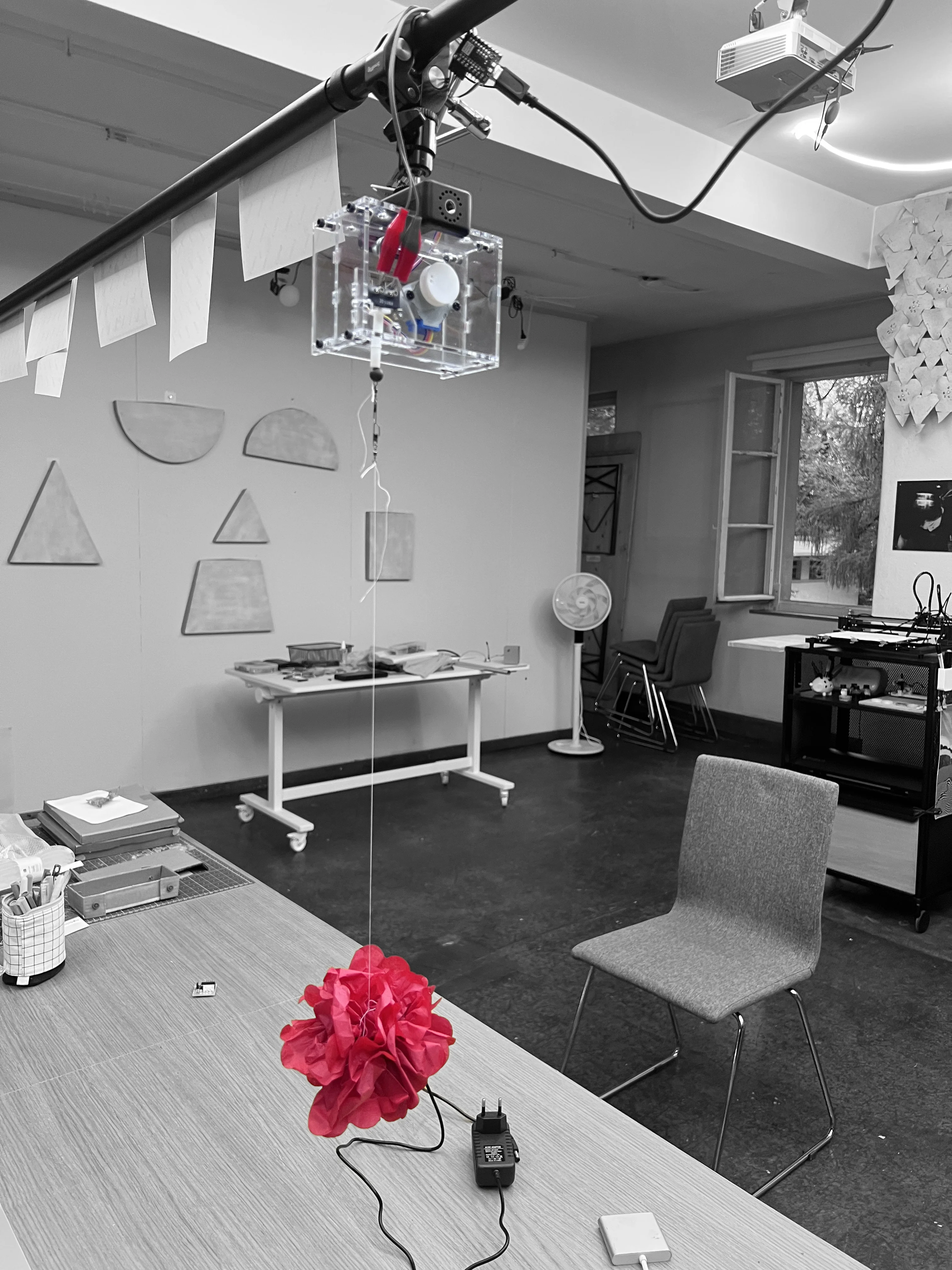
stepper motor
5 entries across Research and Studies.
Research
Studies
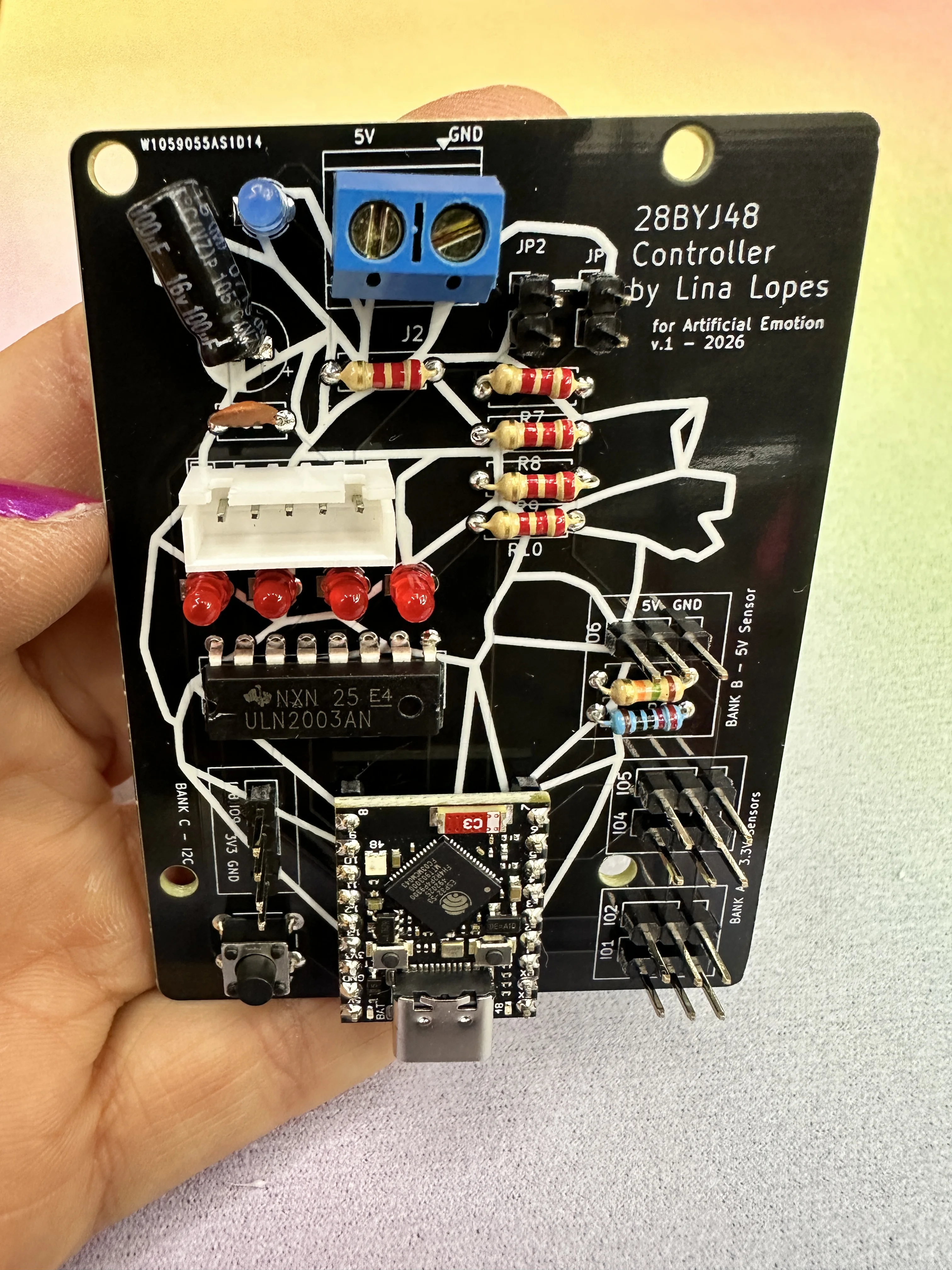 experimentArtificial Emotion Controller — First Assembly and TestsThe first assembled Artificial Emotion Controller moved beyond circuit validation to reveal something more interesting - a single user button can become a compact physical interface for exploring different kinetic behaviours. Initial tests also exposed reversed 5V and GND silkscreen labels at the external power input, a small but consequential usability error now corrected in the design.
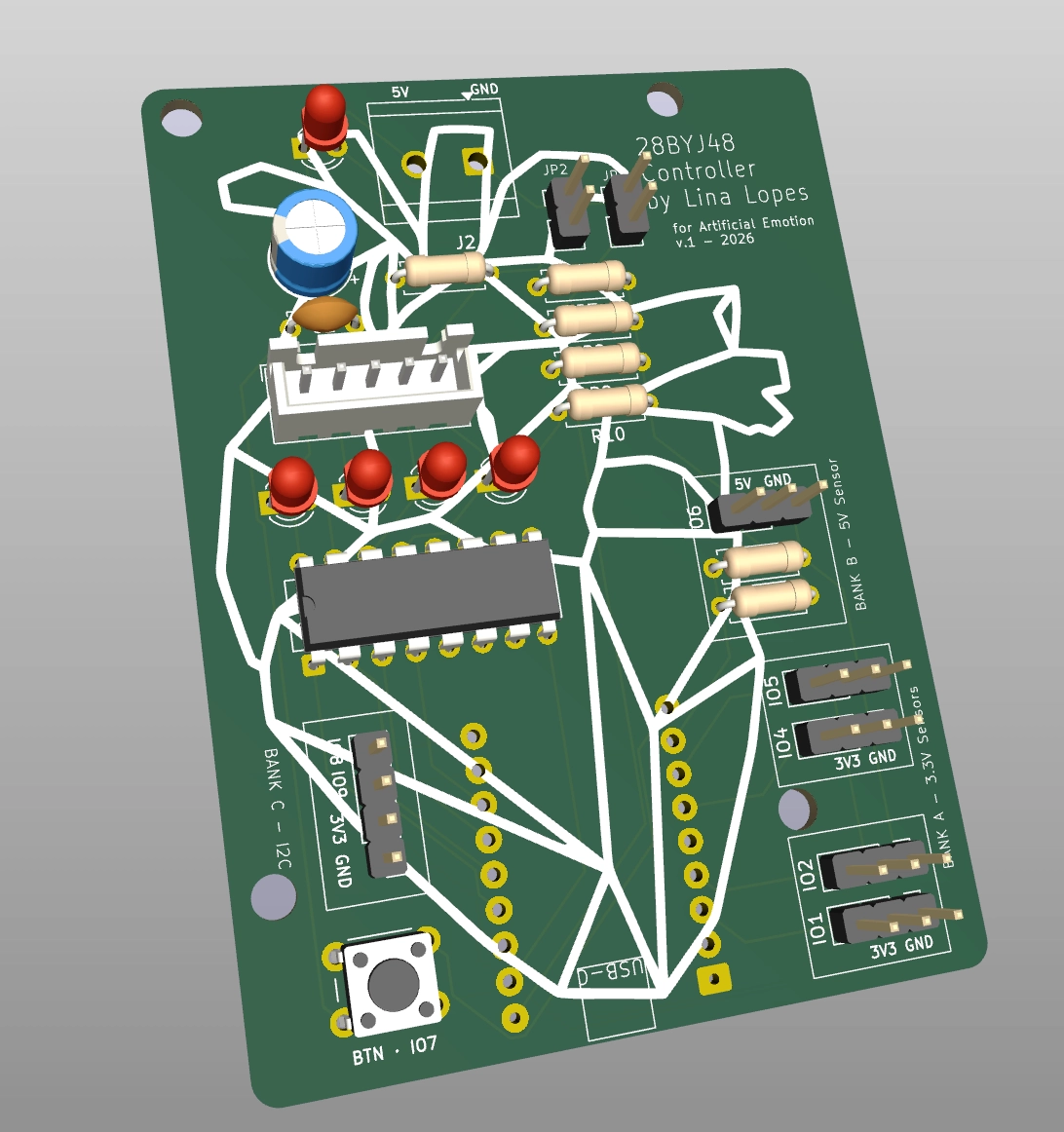 experimentArtificial Emotion Controller — Designing a Dedicated PCBDesigning the first dedicated Artificial Emotion controller in KiCad, a manually assembled, through-hole PCB built around an ESP32-S3 SuperMini, a ULN2003A driver, one 28BYJ-48 stepper motor and configurable sensor connections. The aim is to make the electronics easier to reuse so each new kinetic experiment can begin with movement rather than wiring.
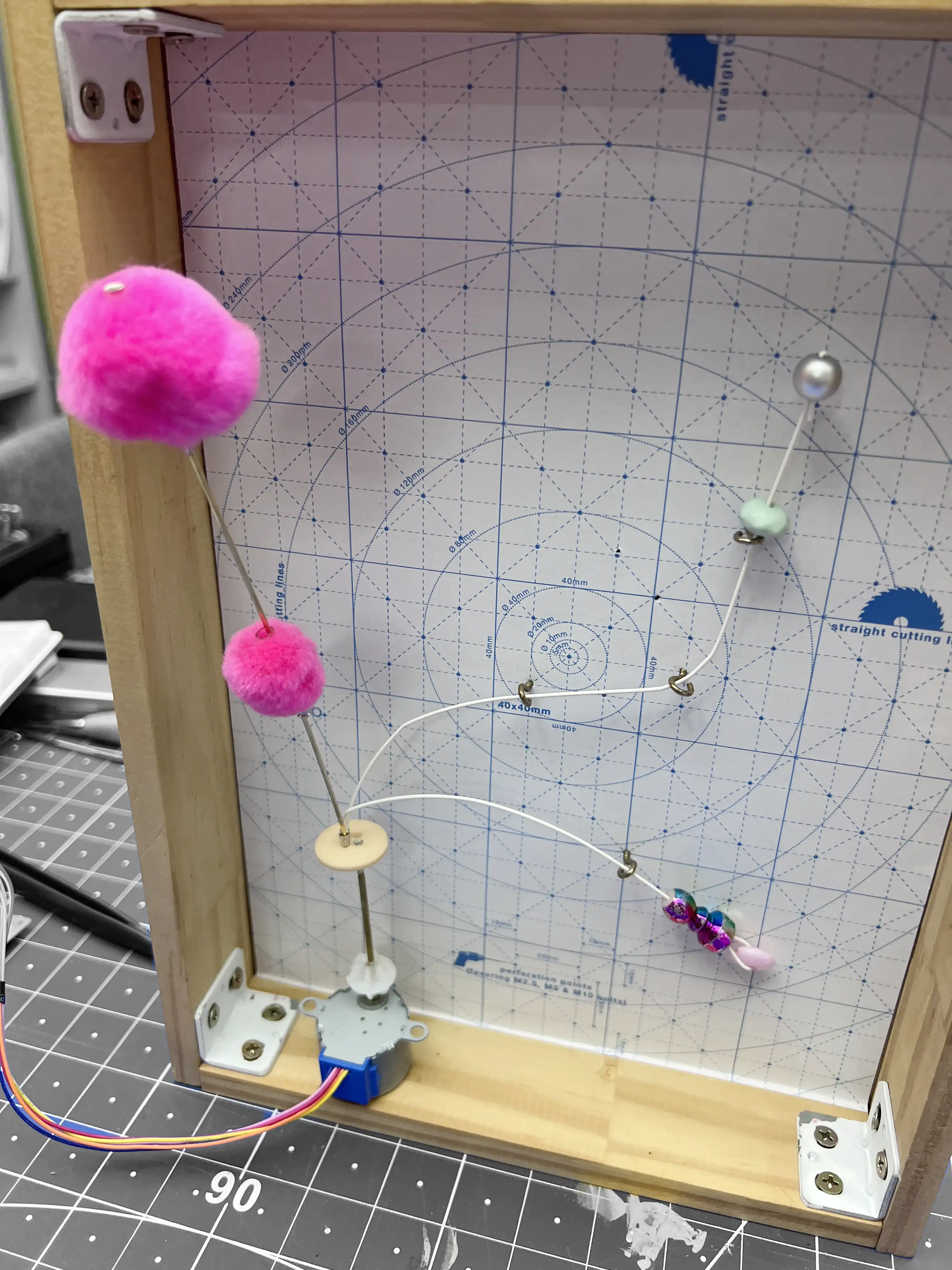 experimentKinetic Planes — After Abraham PalatnikInspired by Abraham Palatnik's C-15, this study uses a reused wooden frame, an OS20 construction grid, nylon rods and a 28BYJ-48 stepper motor to investigate how a simple reversing rotation can produce flexible, layered motion—and how improvised connections can become reusable parametric parts.
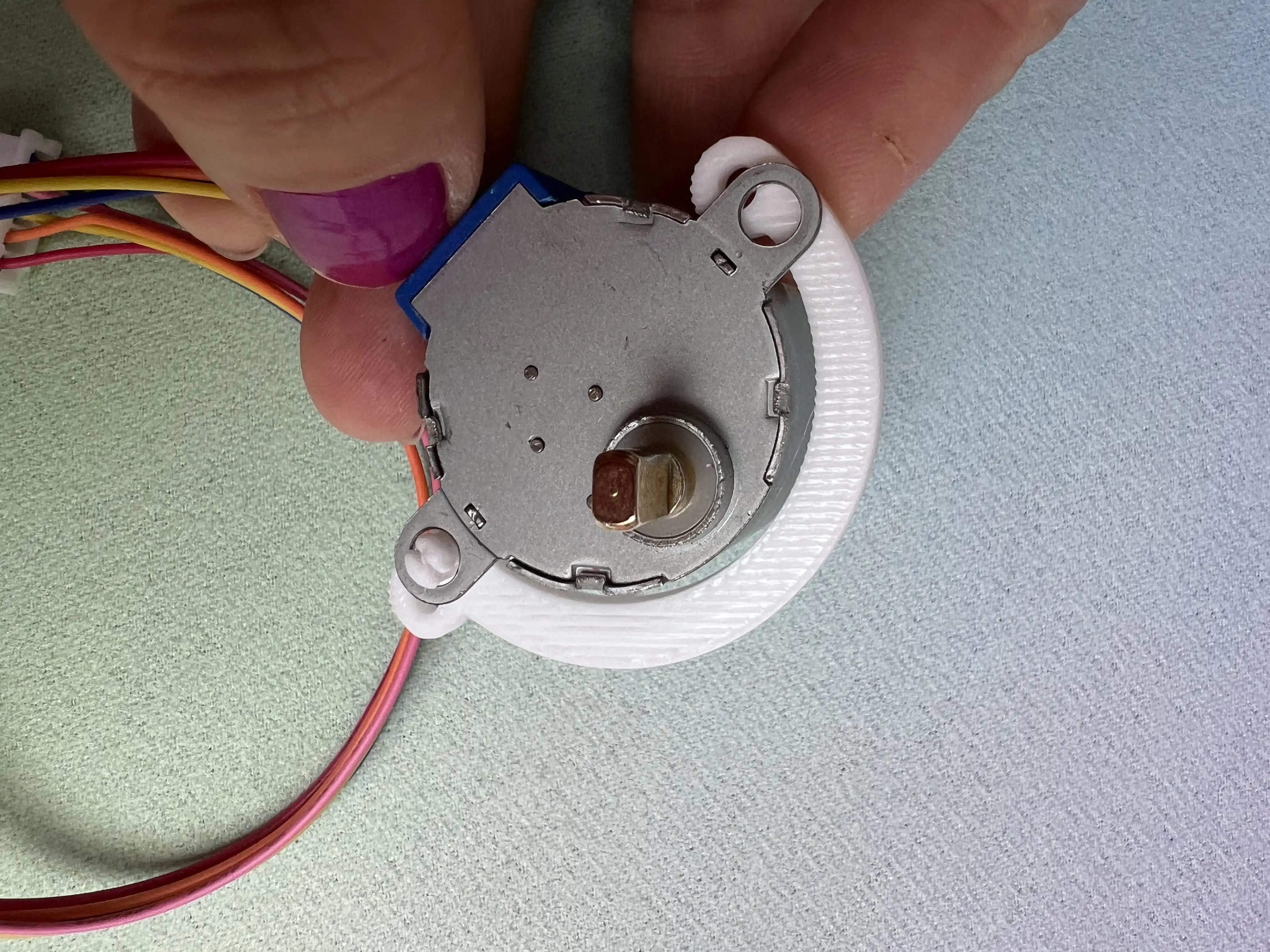 prototype28BYJ-48 — An OS20 Motor AdapterA small U-shaped bracket adapts the mounting holes of a 28BYJ-48 stepper motor to a 40 mm connection span, testing how commercial components can join the shared 20 mm grid of Artificial Emotion.